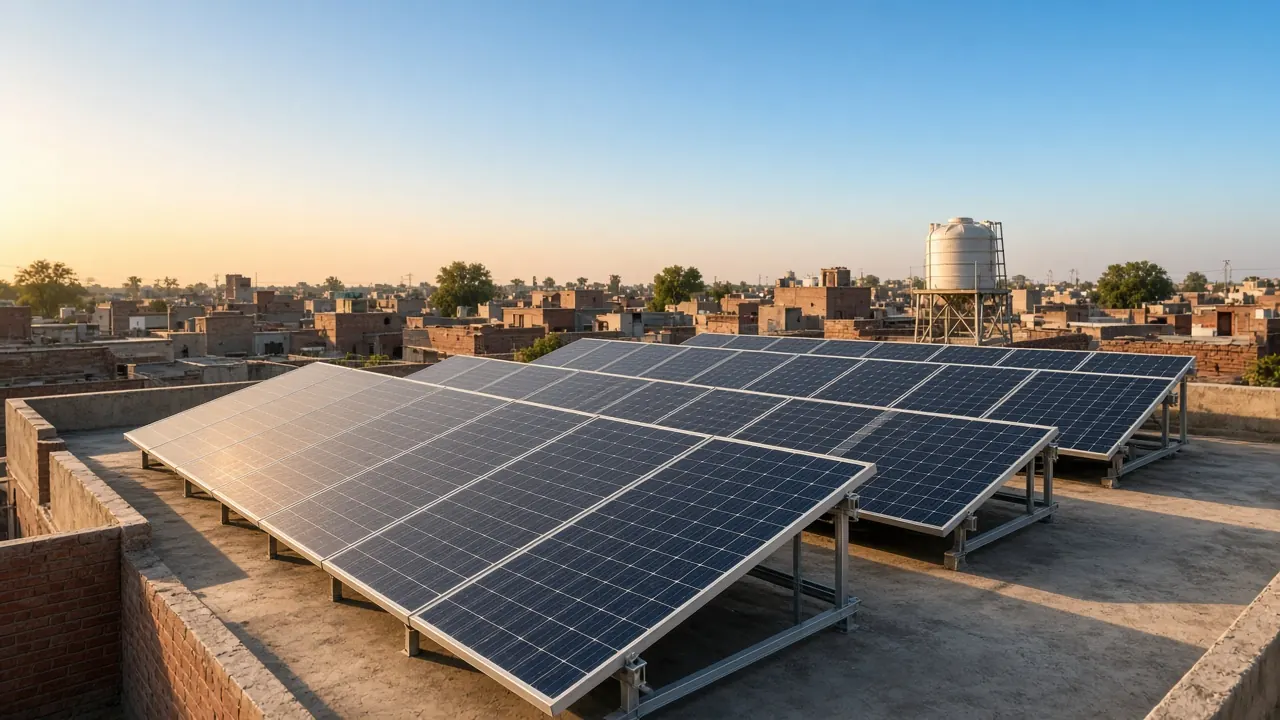
Almost every panel sold in Pakistan today comes from a handful of large Chinese manufacturers, and most new stock is N-type, bifacial and 580–720 W. So "which brand is best?" matters less than whether the panel is genuine, suits your roof and is priced fairly per watt. This guide explains the technology words on a quote in plain language and shows this week's listed prices.
Current panel prices by model
| Brand | Model | Rs/W | Per panel |
|---|---|---|---|
| Canadian Solar | 585, 590 Watt N-Type Bi-Facial Double Glass | 41.75 | Rs 24,632 |
| Canadian Solar | 620, 630 Watt N-Type Bi-Facial Double Glass | 41.75 | Rs 26,303 |
| Canadian Solar | 715 Watt N-Type Bi-Facial Double Glass | 41.00 | Rs 29,110 |
| Longi | Hi-Mo X10 640, 645, 650 Watt HPBC 2.0, Bi-Facial, Anti-Dust, Anti-Shading | 42.00 | Rs 27,300 |
| Longi | Hi-Mo X10 640, 645, 650 Watt Mono Facial, N-Type, HPBC, Single glass | 42.50 | Rs 27,620 |
| Longi | Hi-Mo X7 585, 590 Watt N-Type Bi-facial Panel, Double Glass, A Grade 18 Bus Bar | 42.75 | Rs 25,008 |
| Jinko | Tiger Neo 585, 590 Watt, Bi-Facial N-Type, Double Glass, A Grade Documented Solar Plates Price | 43.45 | Rs 25,418 |
| Jinko | N-Type 630, 635, 640, 645 Watt Bi-facial Double Glass Tiger Neo 3.0 | 43.25 | Rs 27,060 |
| Jinko | Tiger Neo 3.0, 630, 635, 640 Watt N-Type, Bi-facial Double Glass, 20BB | 43.00 | Rs 27,305 |
Source: SolarPanelPriceInPakistan.online daily dealer rates, 29 Nov 2026. Dealer list prices, not quotes. Brand medians are on our solar panel price page.
What each brand costs per watt and per panel
| Brand | Rs per watt (median) | Typical panel price | Sizes listed | Models |
|---|---|---|---|---|
| Longi | 43.62 | Rs 27,702 | 585–650 W | 7 |
| Jinko | 43.00 | Rs 27,210 | 585–724 W | 6 |
| Canadian Solar | 43.75 | Rs 27,450 | 585–693 W | 5 |
| JA Solar | 40.90 | Rs 25,830 | 578–720 W | 5 |
| Trina | 40.95 | Rs 27,130 | 585–730 W | 6 |
| Astronergy | 40.62 | Rs 25,264 | 585–720 W | 6 |
| Aiko | 43.75 | Rs 28,656 | 620–770 W | 5 |
| Inverex | 43.00 | Rs 26,180 | 585–620 W | 3 |
| Crown | 42.12 | Rs 25,382 | 585–620 W | 2 |
Source: Pakistani dealer price lists (Lahore, Karachi and other cities; several sources). Data dated 28 Nov 2026; refreshed automatically every day. Cash rates for in-stock lists, not quotes. Full model-by-model tables are on our solar panel prices page.
N-type vs P-type: the one change that matters
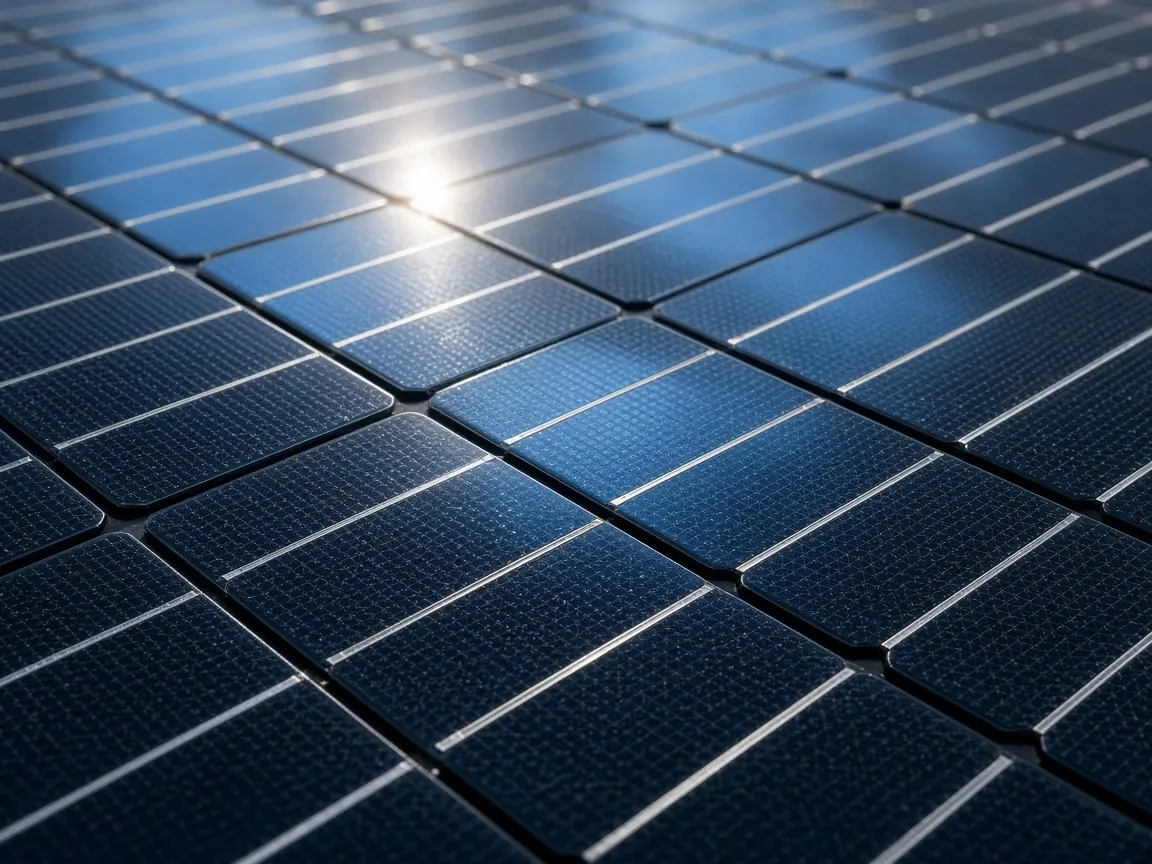
Until about 2023 most panels in Pakistan used P-type PERC cells. Today most use N-type cells, usually TOPCon (Jinko Tiger Neo, JA Deep Blue 4.0) or back-contact designs such as Longi's HPBC (Hi-MO X10) and Aiko's ABC. For Pakistani conditions, N-type has two real advantages:
- Better in heat. Panel output falls as cells get hot. N-type TOPCon datasheets typically show a temperature coefficient around −0.29 to −0.30% per °C, versus about −0.34 to −0.35% for PERC. On a 65 °C June roof that difference is a few percent of output every afternoon.
- Slower ageing. N-type cells largely avoid the light-induced degradation that affects P-type cells in the first months, and their warranties typically allow a lower yearly loss.
Because N-type now costs about the same per watt, there is little reason to buy old P-type stock unless the discount is large.
TOPCon, HPBC, ABC: do the names matter?
| Technology | Examples | What to know |
|---|---|---|
| TOPCon (N-type) | Jinko Tiger Neo, JA Deep Blue 4.0, Canadian Solar N-type | Mainstream choice, good heat performance, widely available, easy to service. |
| Back contact (HPBC / ABC) | Longi Hi-MO X10, Aiko ABC | No metal lines on the front, slightly higher efficiency and better partial-shade behaviour claimed; usually a small premium. |
| PERC (P-type) | Older stock of most brands | Fine if very cheap, but more heat loss and faster ageing. |
For a typical home, any genuine N-type panel from a Tier-1 maker is a sound choice. Consider back-contact if your roof has partial shade or limited space and the premium is small.
Bifacial and double glass: worth it?
Bifacial panels collect some light on the back side. On a flat roof with panels mounted low, the extra gain is modest. On a raised structure (1–2 m) over a white or light roof, it can be noticeably higher. Since bifacial panels now cost about the same, they are a sensible default. Double-glass construction resists moisture and micro-cracks better than a plastic back sheet and usually comes with a 30-year power warranty.
585 W or 720 W panels?
Large-format panels (around 700–725 W) are roughly 2.4 m × 1.3 m and weigh well over 30 kg. They reduce the number of panels, clamps and connectors, and sometimes have a slightly lower price per watt, as the table shows. But they need a stronger structure, are harder to lift onto a roof, and must match your inverter's voltage and current limits. The 585–650 W class remains the easiest to install on most houses.
How to avoid fake or B-grade panels
- Buy from an installer or dealer who gives a distributor invoice with panel serial numbers.
- Check the serial number with the manufacturer's verification service or its Pakistan distributor.
- Compare the label with the official datasheet: wattage, dimensions, weight and cell count.
- Be wary of panels priced far below the market band (currently about Rs 37.0–47.0 per watt).
- For bulk orders ask for a flash-test report, and keep photos of every label.
Warranty: read both numbers
Every panel datasheet lists two warranties. The product warranty (often 12–15 years, sometimes more for premium lines) covers defects in materials and workmanship. The linear power warranty (typically 25–30 years) promises that output will not fall below a stated percentage of the rated wattage each year. In Pakistan, claiming either depends on the local distributor, so the invoice and serial numbers matter more than the headline years. Ask the dealer, in writing, who handles a claim and whether they will test a panel that seems weak.
Panel brand vs inverter: where to spend
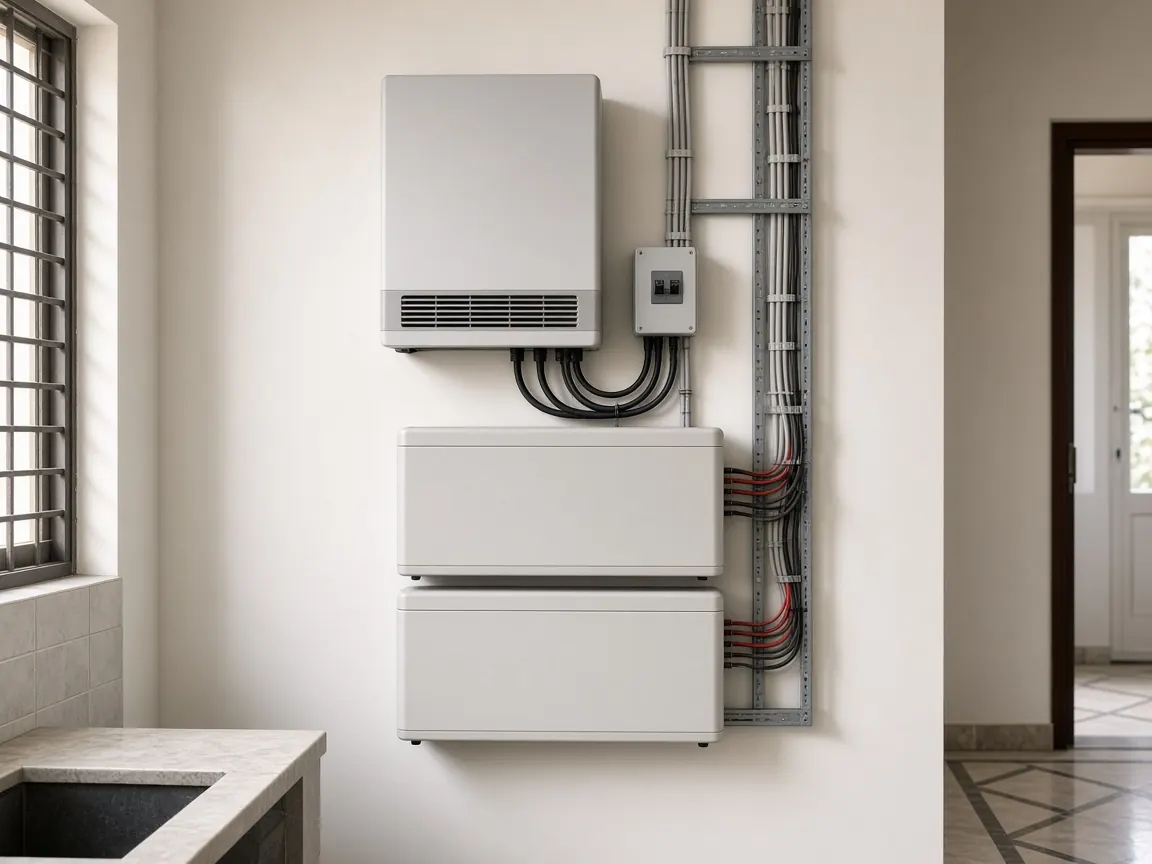
A home system is only as good as its weakest part. Panels from different Tier-1 makers perform within a few percent of each other, but a poor inverter, undersized cables or missing earthing can cost you far more in lost output, tripping and damaged appliances. If your budget is fixed, choose a mid-priced genuine panel and put the savings into a reliable inverter with local service, a galvanised raised structure and proper protection devices. Our buying guide explains how to size each part.
Our recommendation
For most Pakistani homes in late 2026: a genuine N-type bifacial double-glass panel in the 585–650 W class from a Tier-1 brand, bought at or slightly below the market median of Rs 40.0/W, from an installer who will stand behind the work. Spend any extra money on a good inverter and proper earthing rather than chasing a premium panel brand. Next: see the complete system price and our inverter and battery prices.
Frequently asked questions
Which is the best solar panel brand in Pakistan?
Is N-type better than P-type?
Are bifacial panels worth it on a home roof?
Are 700 W+ panels better than 585 W panels?
How can I check if a solar panel is genuine?
How long do solar panels last?

Published 29 November 2026 · Last updated 29 November 2026. We cite the source and date for every price or statistic and correct errors quickly. Read how we research or report a mistake to [email protected].