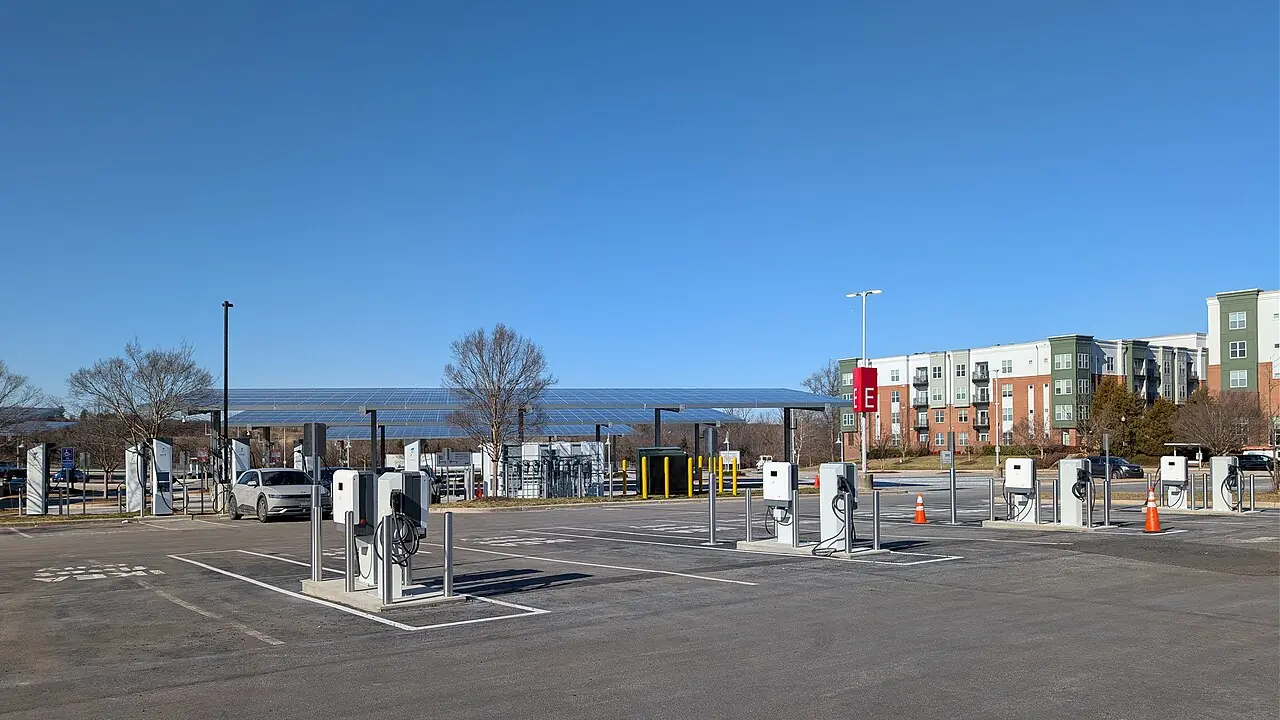
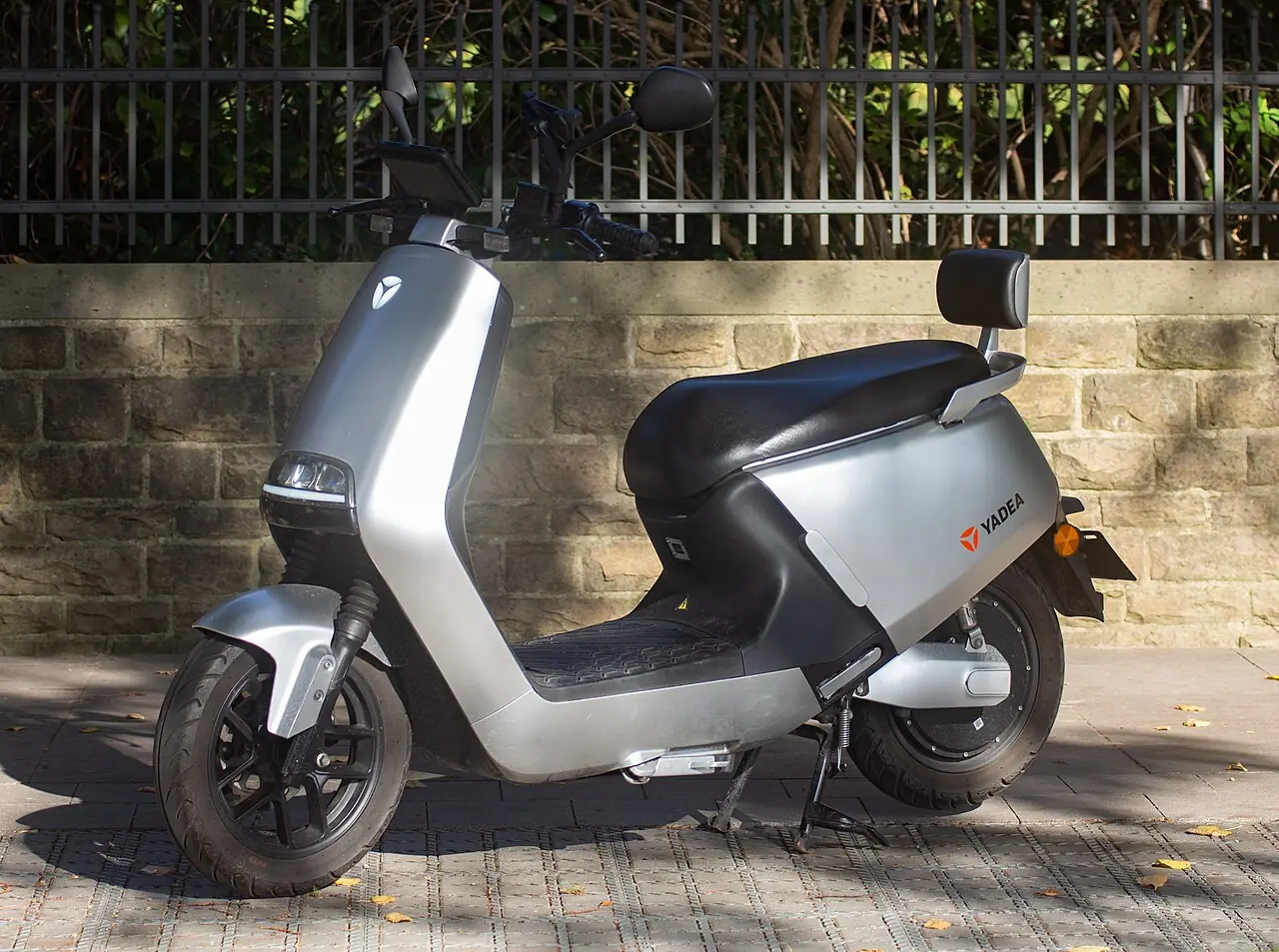
Petrol in Pakistan was Rs 312 per litre on 29 Nov 2026. Electricity is expensive too. So does an electric car really save money? We worked out the fuel cost per kilometre for petrol, hybrid and electric cars with today's prices, and show the assumptions so you can change them.
Cost per km: petrol vs hybrid vs electric
Assumptions: 1,500 km a month (about 50 km a day), EV consumption 16 kWh per 100 km (a typical compact electric SUV in mixed city and highway use, with AC).
| Car and energy source | Per km | Per month (1,500 km) | Per year |
|---|---|---|---|
| Petrol hatchback / small sedan (about 14 km/L) | Rs 22.3 | Rs 33,429 | Rs 401,143 |
| Petrol SUV 1.5T (about 10 km/L) | Rs 31.2 | Rs 46,800 | Rs 561,600 |
| Self-charging hybrid SUV (about 16 km/L real-world) | Rs 19.5 | Rs 29,250 | Rs 351,000 |
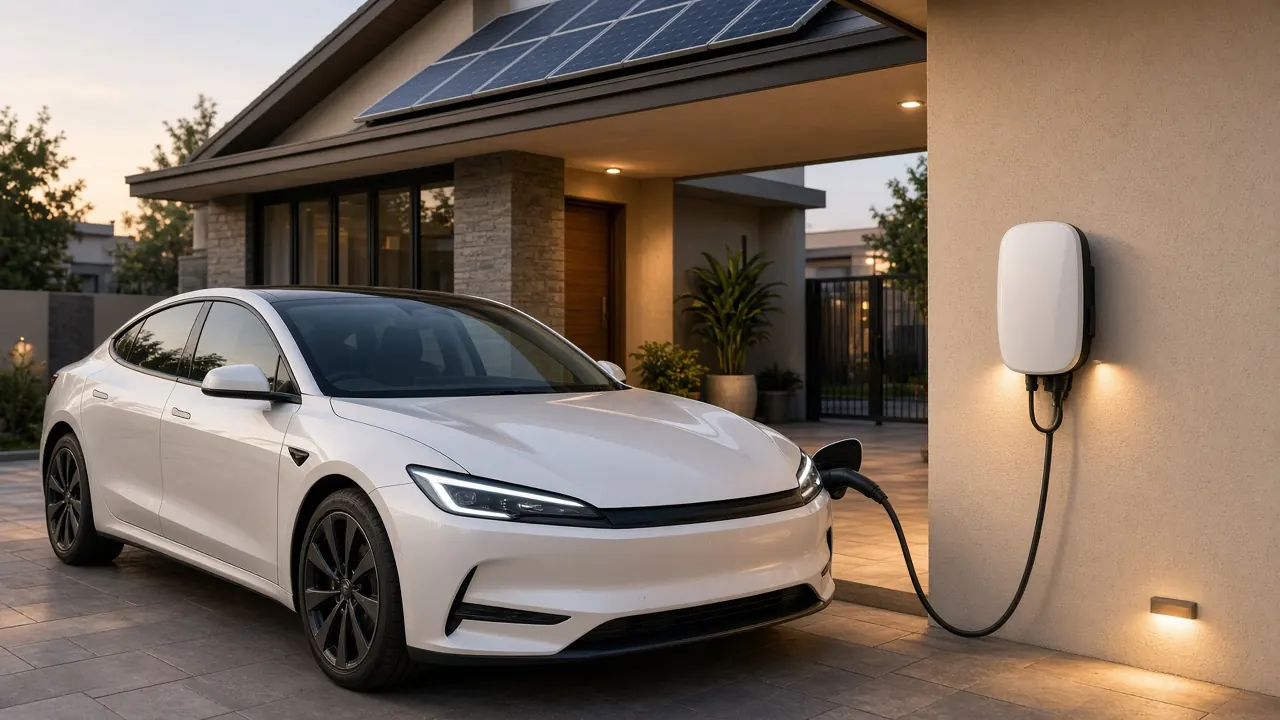
| EV charged at home, grid (Rs 48/unit) | Rs 7.7 | Rs 11,520 | Rs 138,240 |
| EV charged at public DC (Rs 110/kWh) | Rs 17.6 | Rs 26,400 | Rs 316,800 |
| EV charged from own solar (Rs 8.13 export value) | Rs 1.3 | Rs 1,951 | Rs 23,414 |
Petrol: PSO pump price (OGRA-notified), read 29 Nov 2026 from psopk.com. Electricity: all-in per-unit cost for a 300-unit unprotected household, Nov 2026 bills (theinvestpakistan.com). Public charging: median listed DC rate (SaraiCharge, 28 Nov 2026). Our arithmetic; fuel economy figures are typical real-world estimates, not official tests.
Change the assumptions
- Drive more, save more. At 3,000 km a month (ride-hailing or long commutes) the saving roughly doubles.
- Your electricity slab matters. A protected household paying under Rs 20 per unit saves even more, though adding an EV may push you out of the protected slab. A household already above 300 units pays more per unit.
- Summer AC can raise EV consumption to 18–20 kWh per 100 km in city traffic; petrol cars also use more fuel with AC.
- Petrol price swings. Every Rs 10 change per litre changes the petrol SUV's cost by Rs 1 per km.
Purchase price: the bigger number
Running costs favour EVs, but the purchase price usually does not. For example, the BYD Atto 3 lists at Rs 8,990,000 and the Haval Jolion HEV at Rs 9,116,216, a gap of about -1.26 lakh. Smaller EVs like the BYD Atto 2 (Rs 7,290,000) and MG4 (Rs 6,999,000) narrow the gap with petrol crossovers. Use the EV price table for the full list.
Other costs to include
| Cost | Petrol | Hybrid | Electric |
|---|---|---|---|
| Routine service | Oil, filters, plugs every 5,000–10,000 km | Similar to petrol, less brake wear | Mostly checks, cabin filter, coolant; no oil changes |
| Brakes | Normal wear | Lower wear (regenerative braking) | Lower wear (regenerative braking) |
| Tyres | Normal | Normal | Can wear faster (heavier car, instant torque) |
| Insurance | Based on car value | Higher value, higher premium | Higher value, higher premium |
| Big risk item | Engine / gearbox | Hybrid battery (usually long warranty) | Traction battery (check warranty years and km) |
| Home charger | — | — | Wallbox and wiring if needed |
Plug-in hybrids: the middle path
A plug-in hybrid (PHEV) such as the Haval H6 PHEV has a battery big enough for roughly 50–100 km of electric driving plus a petrol engine for long trips. If you charge it every night and your daily driving fits inside the electric range, most of your kilometres cost the same as an EV's. On a motorway trip it behaves like a heavy petrol car. PHEVs suit families who want low city running costs but are not ready to depend on public chargers. They cost more than self-charging hybrids, and the savings disappear if you never plug in.
Worked example: a ride-hailing driver
Take a driver covering 3,000 km a month in a petrol 1.3L sedan at about 14 km/L. Fuel costs roughly Rs 66,857 a month. The same distance in an EV charged mostly at home costs about Rs 23,040, and about Rs 52,800 if charged only at public fast chargers. The difference, roughly Rs 525,806 a year with home charging, is why EVs and electric bikes are spreading fastest among high-mileage users. The catch is charging time: a driver who cannot charge overnight loses earning hours waiting at chargers.
What could change these numbers
- Electricity tariffs are revised by NEPRA and the government several times a year, and fixed charges were added to household bills in 2026.
- Public charging prices are set by each operator and are still settling as the network grows.
- Petrol prices moved more than Rs 100 per litre during 2026; a sharp fall would narrow the EV advantage, a rise would widen it.
- Taxes on EVs and hybrids change with each budget, which affects purchase prices more than running costs.
Who should switch to electric now?
An EV makes sense if…
- You can charge at home or at work.
- You drive 40+ km a day, mostly in and around one city.
- You have or plan rooftop solar.
- You keep cars for many years.
Think twice if…
- You have no parking where you can charge.
- You often drive to areas without fast chargers.
- You change cars every 2–3 years (EV resale values in Pakistan are still uncertain).
If you cannot charge at home, a self-charging hybrid is often the better money decision. See where to charge in our charging station guide.
Frequently asked questions
Is an electric car cheaper to run than a petrol car in Pakistan?
How much does an EV cost per km in Pakistan?
Do hybrids save as much as EVs?
What about maintenance costs?
When does an EV pay back its higher price?

Published 29 November 2026 · Last updated 29 November 2026. We cite the source and date for every price or statistic and correct errors quickly. Read how we research or report a mistake to [email protected].