Pakistan's charging network has grown from a few dealership plugs to more than a hundred public fast chargers in two years. If you are thinking about an electric car, the questions are simple: where can I charge, how much does it cost per kWh, and how long does it take? This guide answers all three with published rates from November 2026.
EV charging stations and rates by city
A selection of public DC fast chargers with their published price. The last column shows what a typical 30 kWh top-up costs at that rate.
| City / route | Station | Power | Rs/kWh | 30 kWh top-up |
|---|---|---|---|---|
| Lahore | Shell Recharge – Ghazi Road | 180 kW | Rs 90 | Rs 2,700 |
| Lahore | PSO Girja Chowk | 60–180 kW | Rs 90 | Rs 2,700 |
| Lahore | Shell Recharge – Shami Road | 180 kW | Rs 105 | Rs 3,150 |
| Lahore | BYD Pine Avenue | 120 kW | Rs 110 | Rs 3,300 |
| Lahore | Mall of Lahore | 180 kW | Rs 120 | Rs 3,600 |
| Islamabad / Rawalpindi | Attock – Old Airport Road, Rawalpindi | 180 kW | Rs 100 | Rs 3,000 |
| Islamabad / Rawalpindi | Islamabad Club EV Station | 150 kW | Rs 100 | Rs 3,000 |
| Islamabad / Rawalpindi | Blue Area EV station | 120 kW | Rs 110 | Rs 3,300 |
| Islamabad / Rawalpindi | PSO Neon, G-13/1 | 150 kW | Rs 120 | Rs 3,600 |
| Karachi | North Karachi Industrial 12-D | 240 kW | Rs 80 | Rs 2,400 |
| Karachi | Shell Recharge – Askari 4 | 50 kW | Rs 101 | Rs 3,030 |
| Karachi | Shell Recharge – DHA Phase 5 | 50–180 kW | Rs 105 | Rs 3,150 |
| Karachi | Shell Recharge – M-9 Motorway | 50 kW | Rs 109 | Rs 3,270 |
| Faisalabad | Mall of Faisalabad | 160 kW | Rs 98 | Rs 2,940 |
| Multan | PSO Multan Cantt | 120 kW | Rs 100 | Rs 3,000 |
| Peshawar | PSO Gas Centre 2 EV Hub | 120 kW | Rs 100 | Rs 3,000 |
| M-2 Motorway | PSO Bhera North | 180 kW | Rs 150 | Rs 4,500 |
Sources: ChargePK DC charger price list (28 Oct 2026) and SaraiCharge listing (28 Nov 2026). Operators change prices without notice; confirm the live rate in the app or at the station.
How to find a working charger
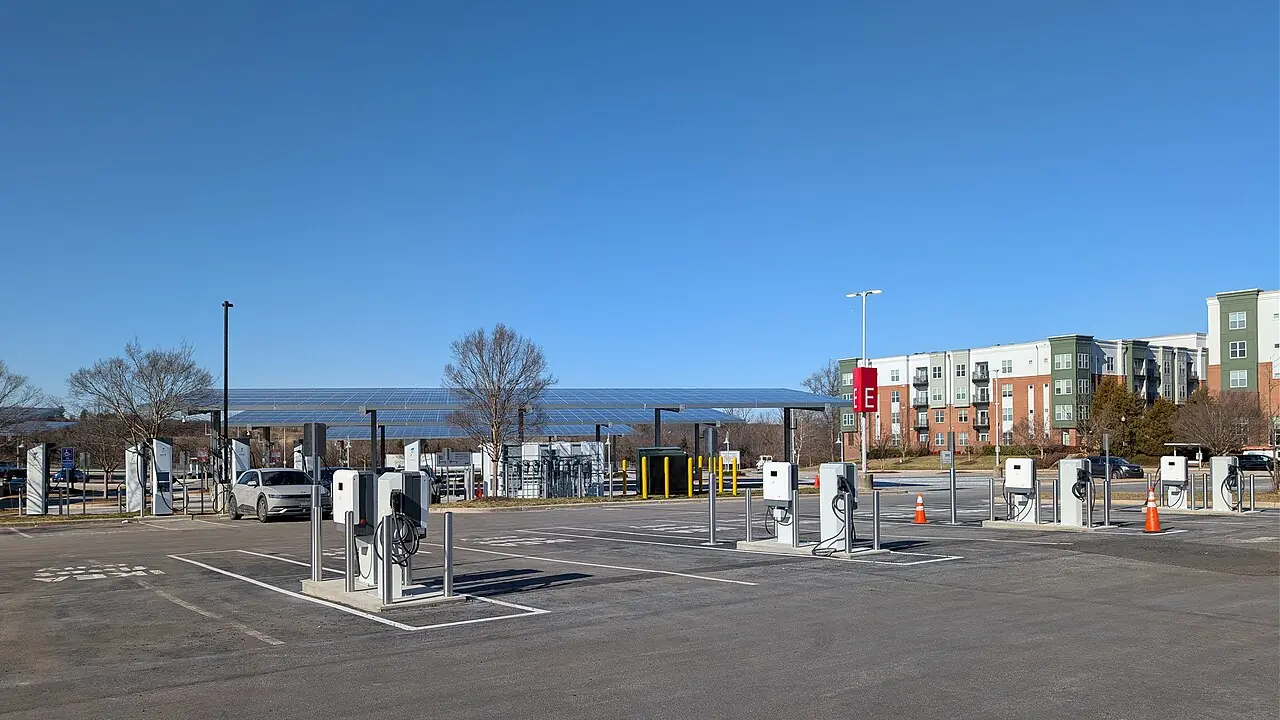
Pakistani EV drivers mostly use community and operator apps and maps such as ChargePK, Zvolta and SaraiCharge, plus Google Maps. Before you drive to a charger:
- Check the plug type (CCS2 or GB/T) matches your car.
- Check whether it is DC (fast) or AC (slow). Many "chargers" at hotels and offices are 7–22 kW AC units.
- Look at recent check-ins: chargers can be offline, or blocked by petrol cars.
- Ask if the station charges a parking or idle fee after charging finishes.
Home charging: cheapest by far
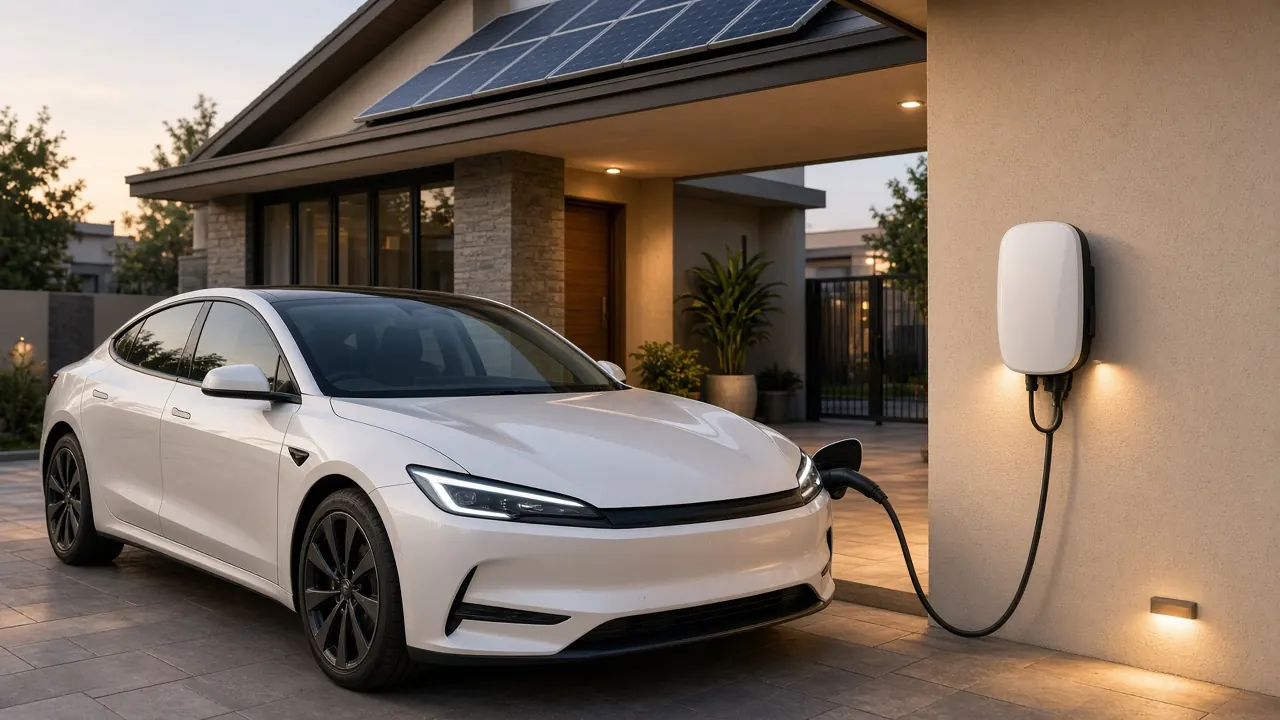
Most EV owners in Pakistan charge at home overnight. You can use the portable charger supplied with many cars (about 2–3 kW from a normal socket on a dedicated circuit) or install a 7 kW wallbox. A wallbox needs a proper cable, breaker and earthing; ask a qualified electrician and check that your sanctioned load can handle it.
| Where you charge | Price per kWh | Cost of 27 kWh (20→80% on a 45 kWh car) |
|---|---|---|
| Home, from rooftop solar surplus (export value forgone) | ~Rs 8.13 | Rs 220 |
| Home, grid (unprotected 201–300 slab, all-in) | ~Rs 48 | Rs 1,296 |
| Public DC, cheap station | Rs 90 | Rs 2,430 |
| Public DC, median | Rs 110–120 | Rs 2,970 – Rs 3,240 |
| Motorway / premium site | Rs 150 | Rs 4,050 |
Our arithmetic. Home tariff: all-in cost per unit for a 300-unit unprotected bill in Nov 2026 as reported by theinvestpakistan.com; your slab may differ. Charging losses of 5–10% are not included.
If you have rooftop solar, charging in the daytime is the cheapest option of all, because under net billing each exported unit earns only about Rs 8.13. See our solar system price guide.
How long does fast charging take?
Charging speed is limited by whichever is slower: the charger or the car. A car rated for 80–90 kW DC will not charge faster on a 180 kW charger. Charging also slows down after about 80%, so on a trip it is quicker to stop twice for 20→80% than to fill to 100%.
| Charger | Adds roughly | 20→80% on a 45 kWh battery |
|---|---|---|
| 2–3 kW portable (home socket) | 12–18 km per hour | 9–13 hours |
| 7 kW AC wallbox | 35–45 km per hour | 4–5 hours |
| 60 kW DC | ~300 km per hour | about 35–45 minutes |
| 120–180 kW DC | limited by the car | about 25–40 minutes |
Approximate, assuming about 16 kWh per 100 km. Real times depend on the car, battery temperature and state of charge.
Motorway and long-trip tips
- Leave with 90–100% charge and plan stops at known DC chargers, not just "one should be there".
- Have a backup charger within your remaining range in case the first is busy or offline.
- Highway speeds above 110 km/h and summer AC use cut range noticeably.
- Carry your portable charger and a suitable adapter for slow top-ups at hotels.
Compare cars and ranges in our EV guide, see the BYD price list, or work out your EV vs petrol running cost.
Frequently asked questions
How many EV charging stations are there in Pakistan?
What is the EV charging rate per kWh in Pakistan?
How much does it cost to fully charge an electric car in Pakistan?
How long does charging take?
Can I drive an EV from Lahore to Islamabad?
Which plug do Pakistani chargers use?

Published 29 November 2026 · Last updated 29 November 2026. We cite the source and date for every price or statistic and correct errors quickly. Read how we research or report a mistake to [email protected].